By clicking “Accept”, you agree to the storing of cookies on your device to enhance site navigation, analyze site usage, and assist in our marketing efforts. View our Privacy Policy for more information.
Barrel's Director of Strategy and Design Director hosted a live optimization session deep diving a brand who submitted their site for review, including a roadmap of fixes to implement before BFCM.
A Powerful (and Often Overlooked) Channel for CPG Retention: Direct Mail
Email and SMS are the foundation for the modern retention playbook. For many years now, they have been the most reliable way to reach a customer directly, at a low cost, on a schedule you controlled. That is still true. But for a lot of CPG brands, the returns on those channels have started to flatten. Inboxes are crowded, deliverability is inconsistent, and customers have trained themselves to scroll past anything that looks like marketing.
That is why more CPG brands, especially in supplements, food and beverage, and beauty, are adding a channel that predates all of them: direct mail.
The Gap: Email and SMS Growth are Slowing
If you run lifecycle marketing for a CPG brand, this probably sounds familiar. Your welcome flow still converts, but not like it used to. Your win-back campaigns reach fewer people every quarter because engagement is slowing down. None of this means email and SMS have stopped working. It means they have limits, and those limits show up fastest for brands that depend on repeat purchases to hit their retention targets, which describes many of the CPG brands we work with every day.
Direct mail will not replace email and SMS (and, to be clear, it shouldn’t). Instead, it will reach audiences with physical touchpoints. When executed well, it not only reaches recipients with the right message at the right time, it reaches them with the right message in the right channel at the right time.
After all, everyone has different preferences. Some subscribers get overwhelmed and stop opening emails (due to the other four dozen emails they get every day). One-time buyers may never have given you their number. Previous customers unsubscribed for one reason or another may still want your product.
Whatever the reason, adding in direct mail offers another conversion touchpoint, a breath of fresh air, and may even be their preferred conversion medium.
In the end, they may not be reachable digitally, but they can all be reached with direct mail.
Why Direct Mail Works for CPG Brands
Barrel's CEO, Lucas Ballasy, put it simply in a recent conversation with our partners at the direct mail platform PostPilot: an email or text message is easy to leave unread indefinitely, but a physical mailbox can only be ignored for so long before someone has to sort through it.
That behavioral difference is part of why the channel works.
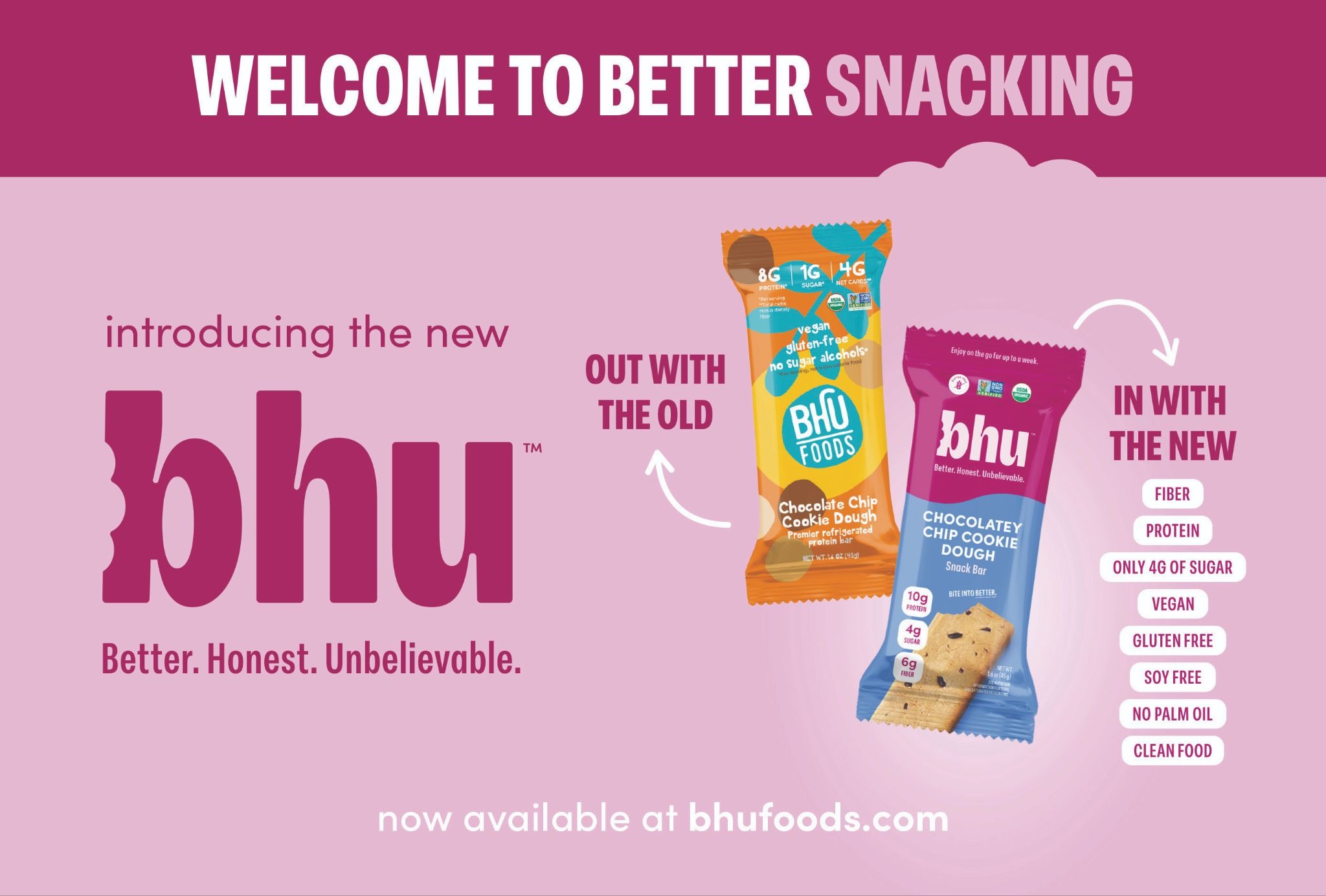
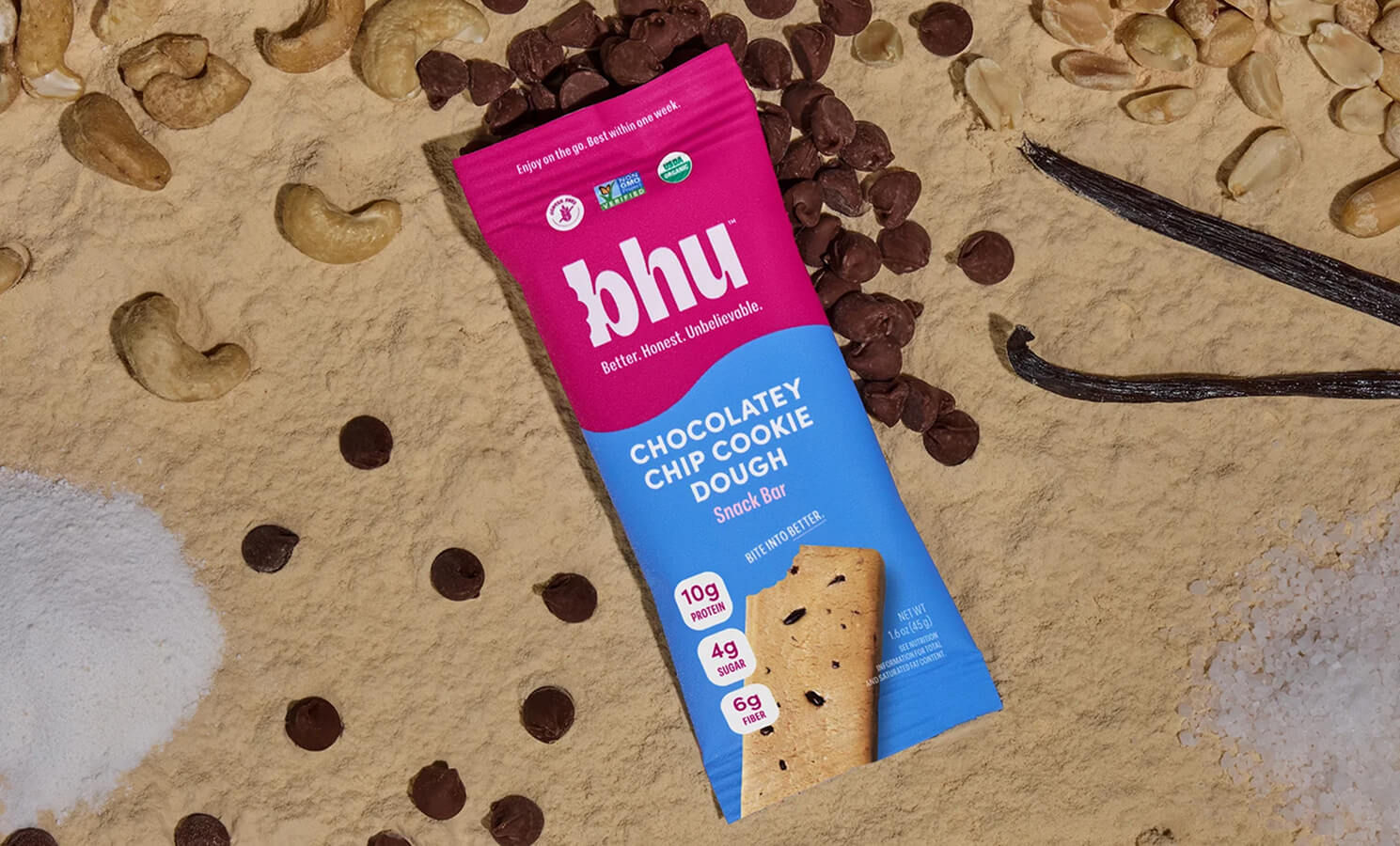
We have seen this dynamic firsthand. BHU Foods, a Barrel client in the better-for-you snack space, uses PostPilot as part of its broader retention stack alongside the lifecycle email work we built for the brand. It is a good example of a CPG brand treating mail as one more coordinated touchpoint in a full-funnel program. You can read more about our work with BHU Foods in our case study.
For CPG brands specifically, a few other factors make direct mail a natural fit:
Repeat purchase cycles are predictable. Supplements, food, and beverage products get consumed and reordered on a rhythm. That rhythm gives you a natural, data-backed reason to mail someone right before they are likely to run out.
Physical products benefit from physical trust signals. A postcard someone can hold has the potential to do more to build credibility for an ingestible or skin-contact product than another email can.
The channel is under-crowded. Most of your competitors are not doing this, which means the mailbox can be less competitive than the inbox.
Where Direct Mail Fits in Your Retention Program
Direct mail works best as an extension of your existing lifecycle marketing, not a separate program running in parallel. The brands seeing the strongest results are triggering mail off the same customer behavior that already triggers their email and SMS flows.
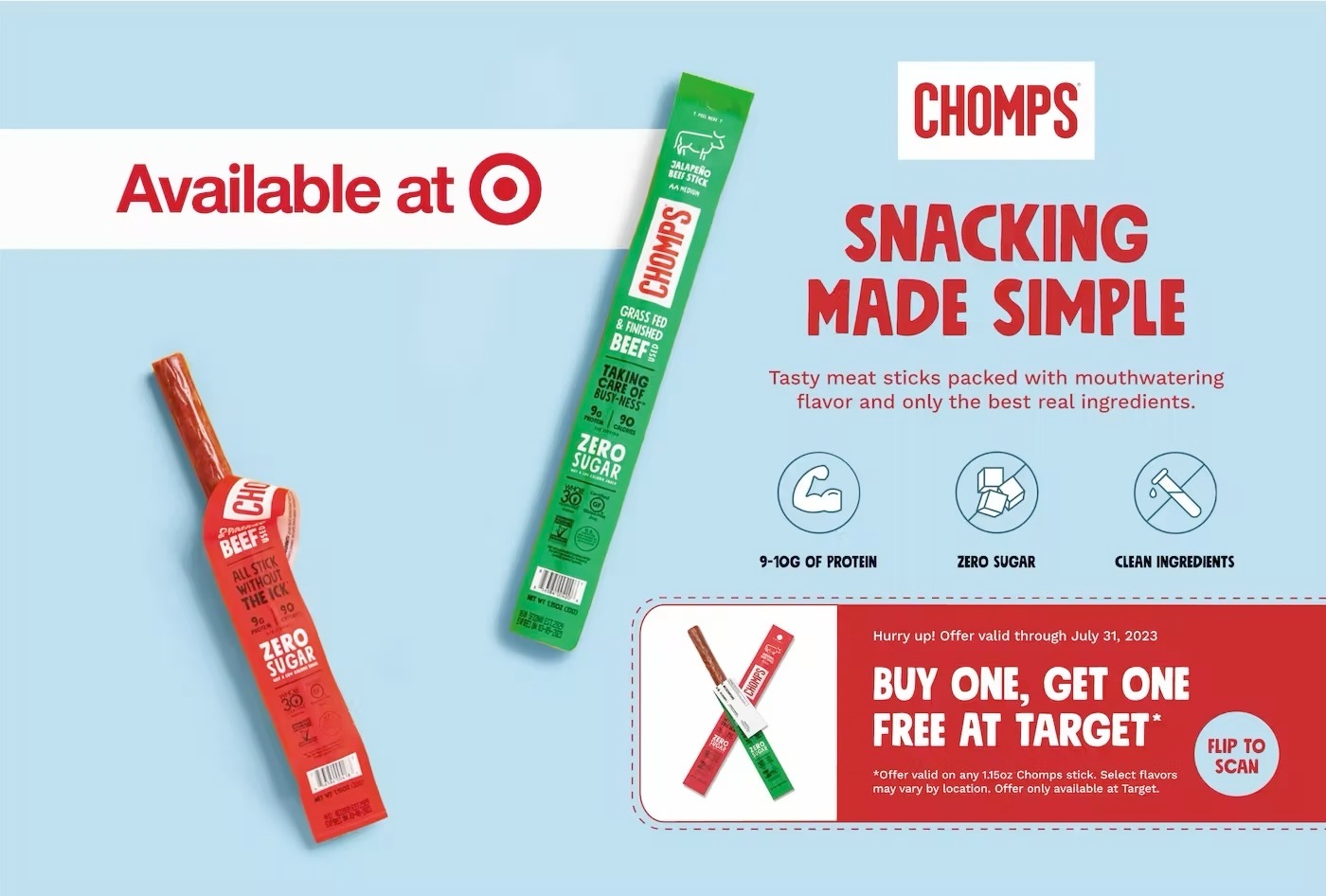
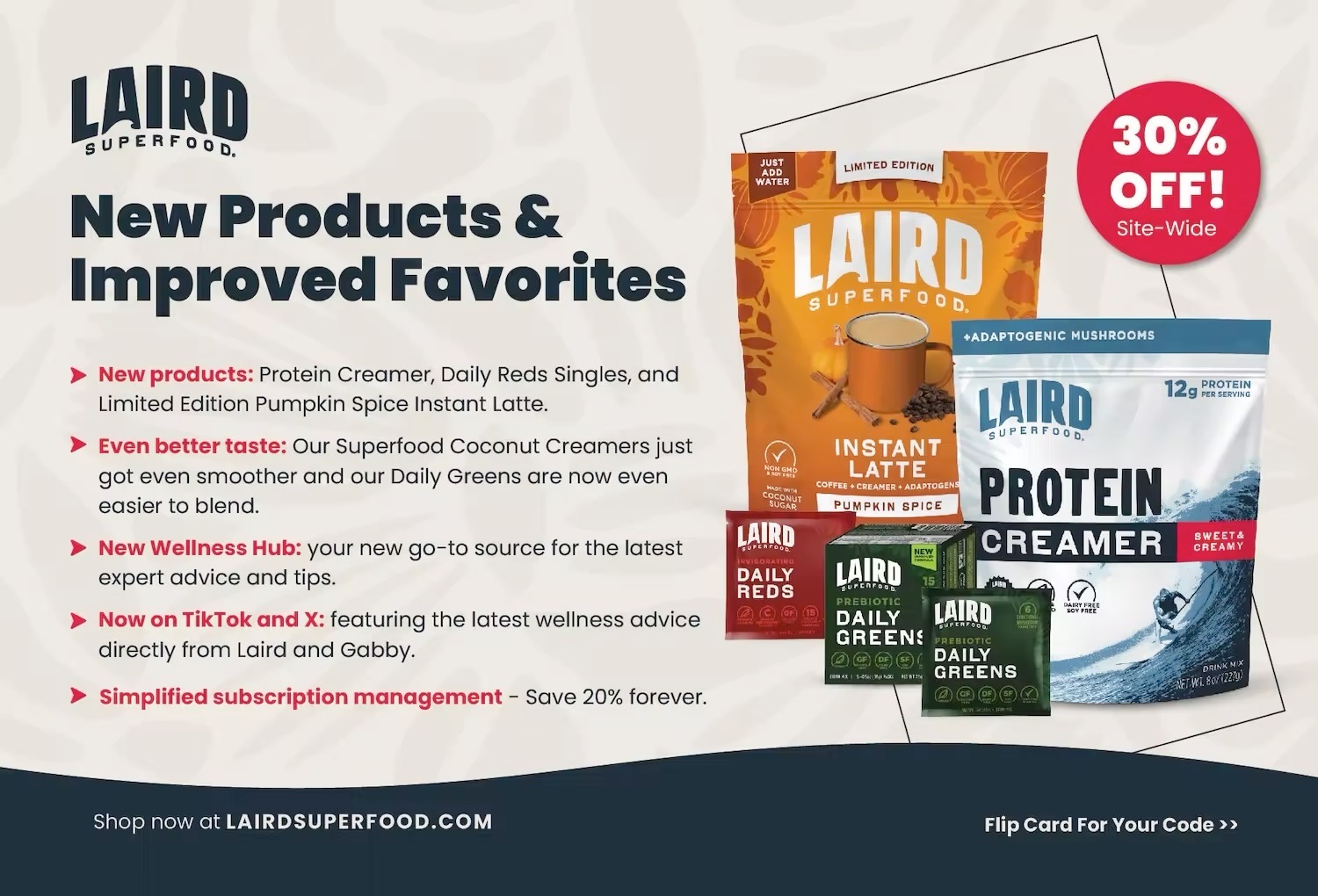
4x6 card sent to drive in-store sales
A few places to start:
Retargeting. When someone abandons a cart/checkout or does not convert from your welcome series after a set number of days, a postcard becomes the second (or third) touchpoint, reinforcing the same offer they already saw digitally.
Retention and win-back. Lapsed one-time buyers, multi-buyers who have passed their expected reorder window, high-value VIPs, and even people who unsubscribed from email are strong candidates for a mail-based nudge.
Light-touch acquisition. Lookalike audiences built from your best customers can extend direct mail into prospecting, though this typically comes after your retargeting and retention flows are already running well.
We'd recommend keeping your channel strategy platform-agnostic in principle, since not every brand runs the same stack.
That said, our preferred pairing is Klaviyo and PostPilot: PostPilot integrates with Klaviyo natively, which means you can trigger a postcard from the same flow logic you already built for email and SMS, without duplicating your segmentation work in a second system. If you are already on Klaviyo, this combination is by far the fastest path to a coordinated program rather than a bolted-on channel.
What a Well-Run Direct Mail Program Looks Like
Across the CPG brands using direct mail well, a few practices show up consistently:
Automated triggers, not one-off blasts. The strongest programs mirror how brands run email: welcome flows, abandoned cart sequences, and evergreen win-backs that fire automatically off customer behavior.
One clear offer per piece. Think of postcards as physical emails. The mailers that convert best tend to state one offer and one action plainly, rather than trying to fit an entire brand story onto a 4x6 or 6x9 card.
Testing with holdouts. Because direct mail costs more per touchpoint than email, brands that measure it well use holdout groups excluded from other marketing campaigns to confirm the lift is substantiated and not just correlated with other retention efforts already in motion. One of the reasons we recommend PostPilot is because they can run in-platform holdouts without any additional effort from us or our partners.
What This Looks Like in Practice
A handful of examples from across the category show some of the outcomes from running a direct mail marketing campaign:
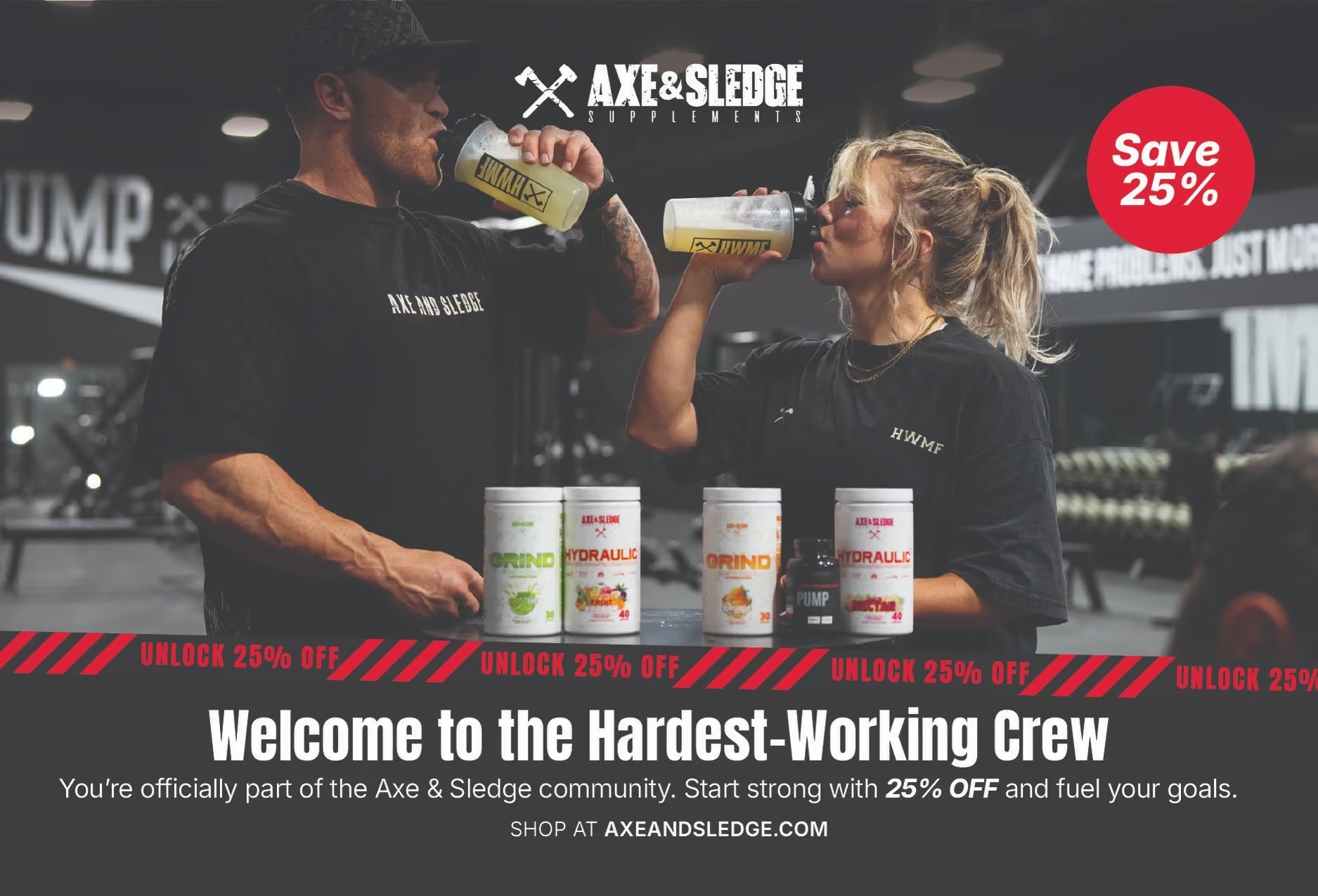
Axe & Sledge, a supplements brand, added direct mail on top of an already-mature email and SMS program. Once its flows matured, the brand's welcome flow was returning about six times ad spend, its abandoned cart flow about 4.7 times, and its evergreen win-backs above seven times, with even stronger performance during Black Friday Cyber Monday (BFCM) and New Year win-back campaigns.
4x6 card sent to win back churned subscribers
Laird Superfood, a plant-based food brand, used postcards to bring back lapsed, high-value customers and reported a 12x return on ad spend from a single reactivation campaign.
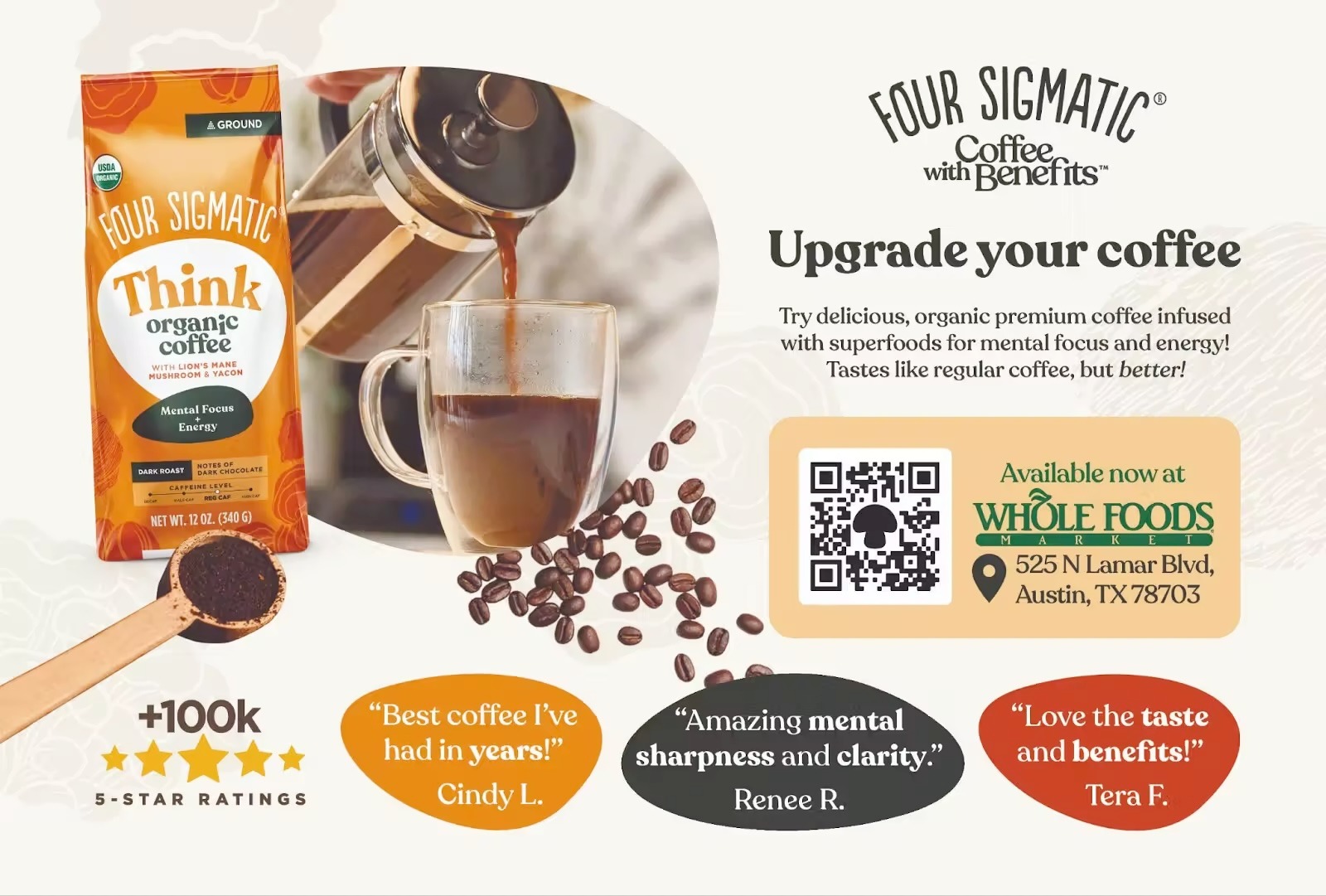
Four Sigmatic, a functional foods brand, mailed a lookalike audience built from its best customers and drove a 57% increase in sales velocity at Whole Foods, showing that the channel's impact is not limited to direct-to-consumer (DTC) sales.
Getting Started
If you are considering direct mail for the first time, resist the urge to launch everywhere at once.
Start with a couple flows, such as an abandoned cart and a lapsed-buyer win-back, and let a holdout group tell you whether the channel earns a bigger role in your retention program. From there, expansion into BFCM campaigns, treatment for your best customers, and prospecting tends to follow naturally, once the first flow proves itself.
One more thing worth remembering, courtesy of Lucas: the best direct mail creative, like the best marketing campaigns, usually starts with talking to your customers first. Pulling customer service tickets into an AI research tool can surface useful patterns, but that should lead to real conversations with customers, in order to get the most out of this channel.
Talk to Barrel
Barrel works with CPG brands across food and beverage, beauty, health, wellness, and more to build retention programs that hold up channels, both digital and physical. If you are weighing whether direct mail belongs in your lifecycle strategy, get in touch and we will help you figure out where it fits.


.jpg)