By clicking “Accept”, you agree to the storing of cookies on your device to enhance site navigation, analyze site usage, and assist in our marketing efforts. View our Privacy Policy for more information.
Barrel's Director of Strategy and Design Director hosted a live optimization session deep diving a brand who submitted their site for review, including a roadmap of fixes to implement before BFCM.
DTC & B2B on One Platform: What Native Shopify B2B Covers
Most legacy commerce platforms treat wholesale and direct-to-consumer (DTC) as two different businesses. Two systems, two inventories, two customer databases, and often a multi-month, high-budget project just to stand up a business-to-business (B2B) channel at all. For CPG brands running both, that split creates operational drag: manual reconciliation, inconsistent stock counts, and a wholesale buyer experience that feels bolted on rather than built in.
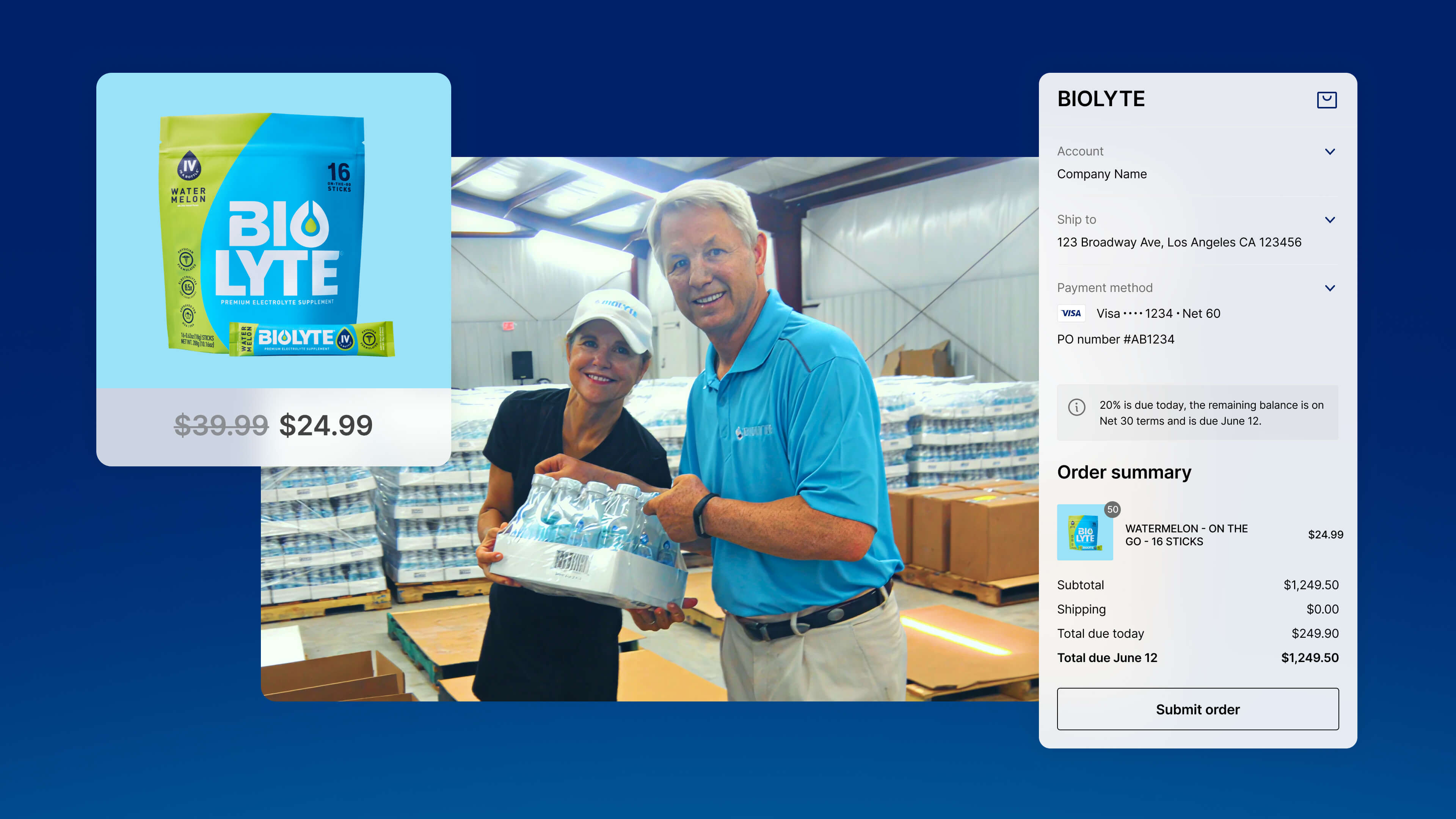
Company profiles, tiered or program-based pricing, bulk ordering, net payment terms, and draft order workflows are all covered within Shopify's native B2B offering, without custom development. A founder-led brand adding its first wholesale accounts can use the same native tools as a portfolio brand running national distribution. Neither has to reinvent the workflow as the wholesale side grows.
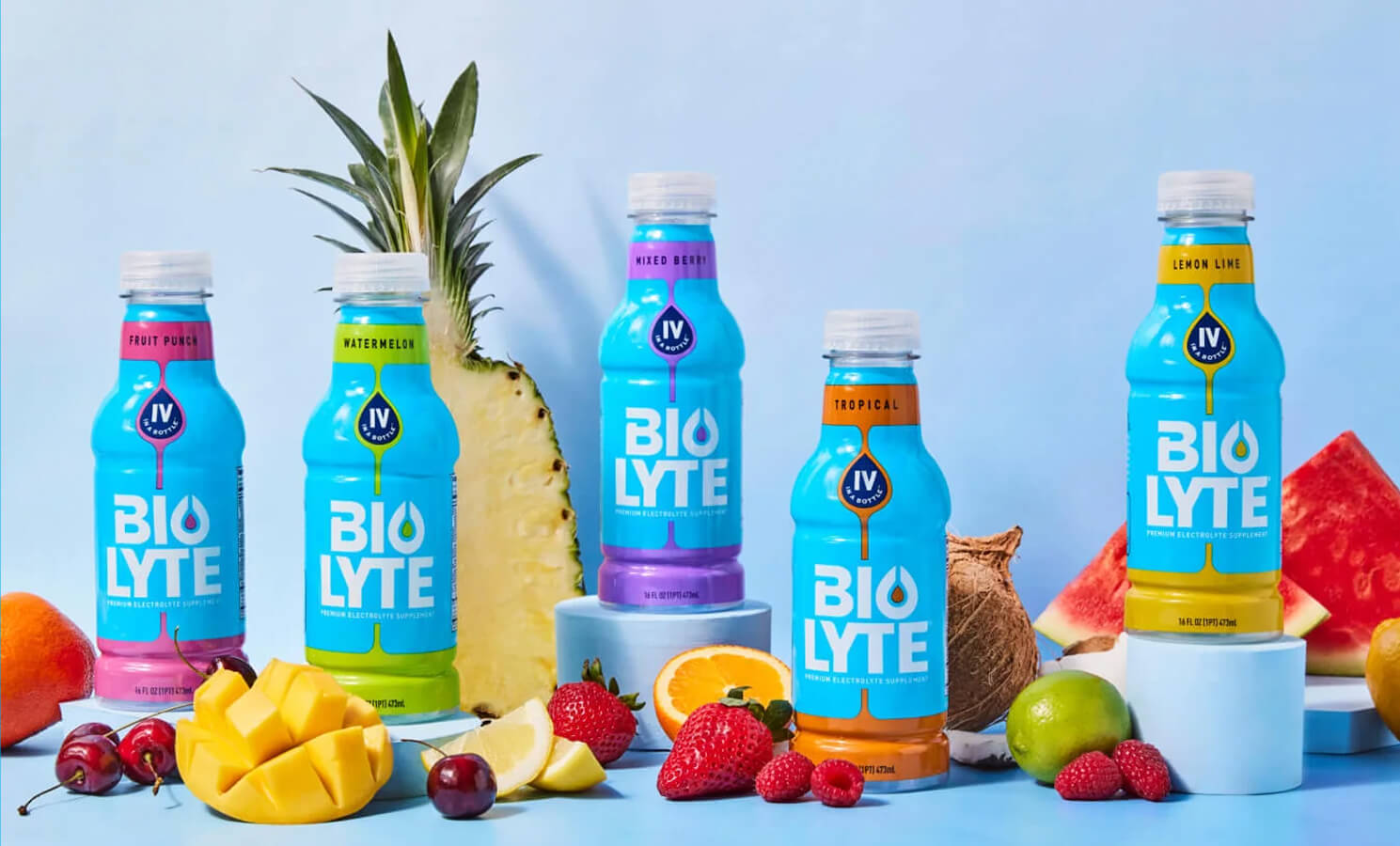
Case Study: BIOLYTE
As part of a brand refresh, Barrel relaunched BIOLYTE on Shopify and built wholesale functionality directly into a single store experience. DTC subscriptions and wholesale now run through one inventory system and one customer view, instead of two disconnected platforms that required manual syncing to stay accurate.
Where Native Functionality Stops
Native B2B on Shopify Plus covers most standard wholesale-alongside-DTC configurations well. For more complex environments, deep custom pricing logic, highly bespoke order workflows, or requirements closer to an enterprise B2B platform, Salesforce and Magento's B2B tools currently offer more depth in specific areas.
The right approach is to scope your requirements in detail against what is available natively first, and have the conversation about what additional requirements are necessary for your business and why. From there, we can determine how to extend functionality with custom features once the gap is clear.
A Few Questions Worth Asking
Does your current wholesale process rely on manual spreadsheets, a separate ordering portal, or true platform-level B2B tools?
How many pricing tiers or account types do your wholesale customers actually need?
Where does your product data live today for wholesale versus DTC, and does it match?
Plan This Alongside Your Migration
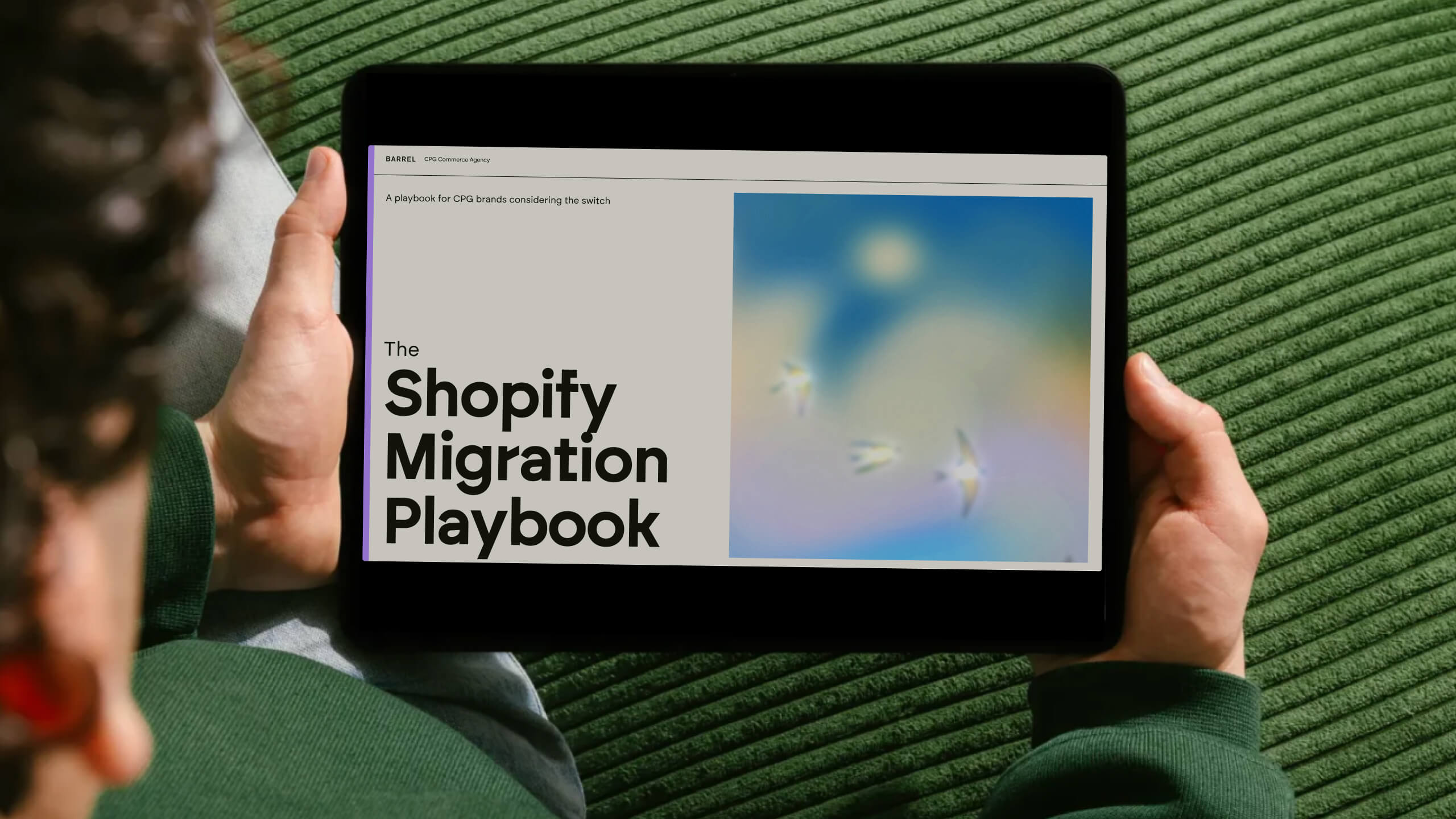
B2B and DTC unification is exactly the kind of decision that is cheaper to build correctly during a migration than to retrofit later. Our Shopify Migration Playbook for CPG brands walks through how to map your wholesale requirements before you start evaluating agencies or timelines.