By clicking “Accept”, you agree to the storing of cookies on your device to enhance site navigation, analyze site usage, and assist in our marketing efforts. View our Privacy Policy for more information.
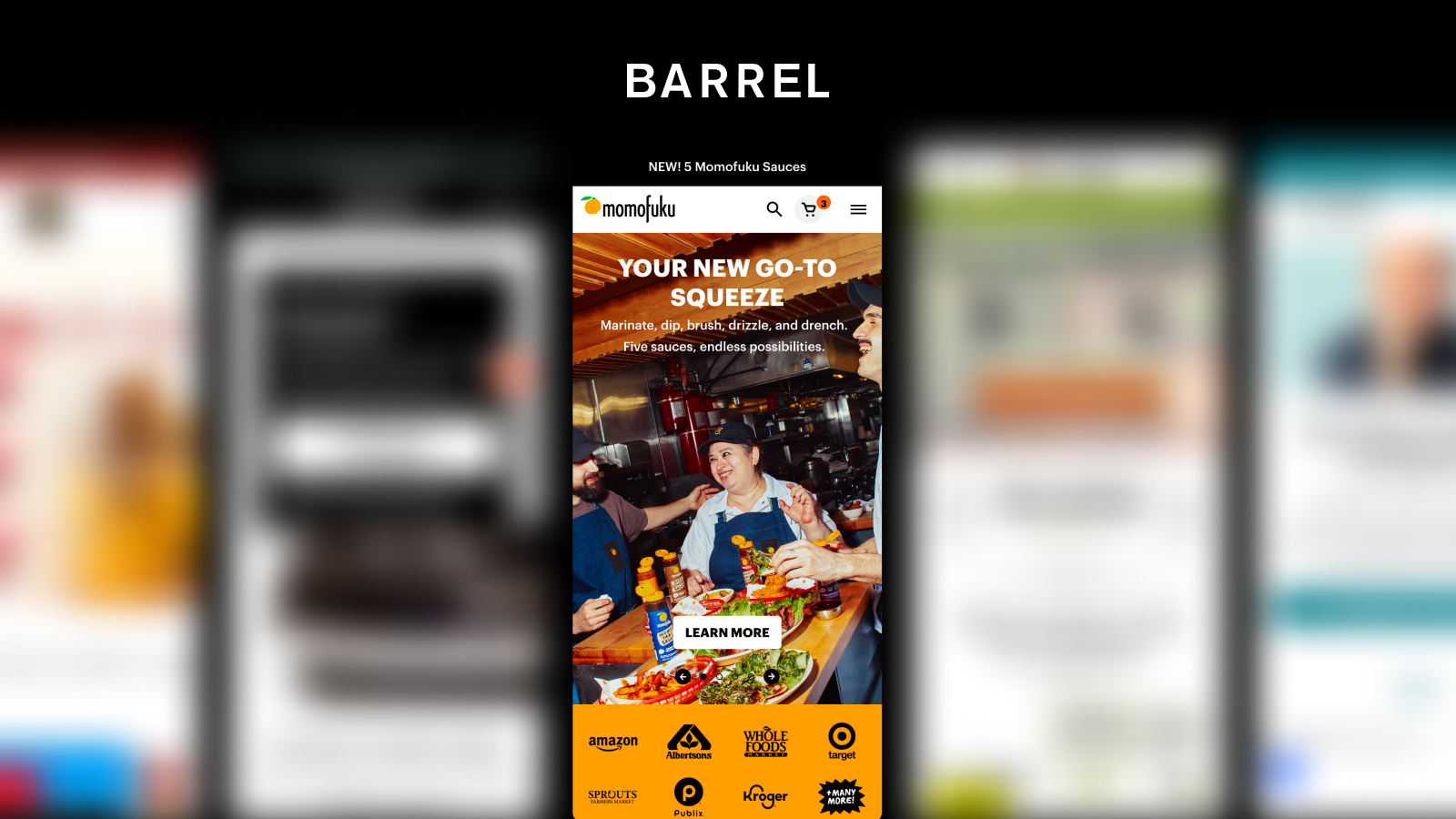
Barrel's Director of Strategy and Design Director hosted a live optimization session deep diving a brand who submitted their site for review, including a roadmap of fixes to implement before BFCM.
Why “Better-for-You” Brands Need Better Digital Experiences
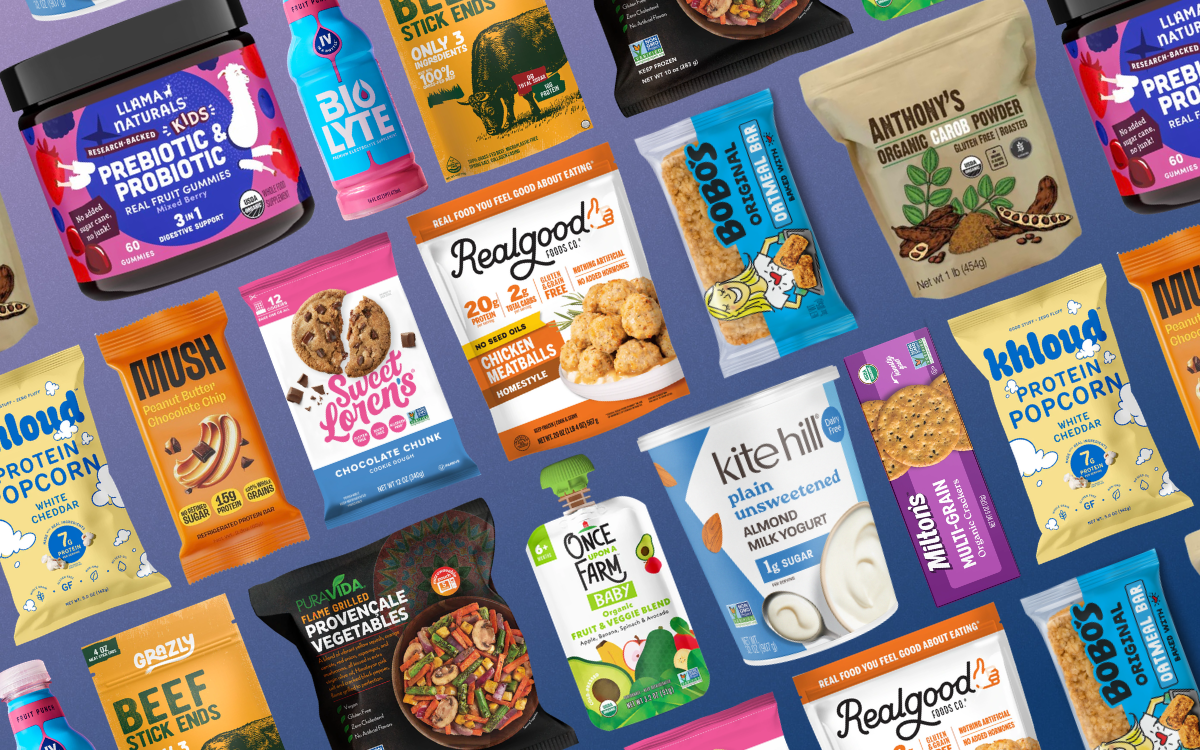
There’s been a clear shift across CPG over the past few years. “Better-for-you” is no longer a niche, it’s become the expectation. Consumers are more ingredient-aware, more skeptical, and more willing to spend time understanding what they’re putting into their bodies. The products have evolved quickly to meet that demand, with more thoughtful formulations, clearer differentiation, and stronger narratives behind them.
What hasn’t evolved at the same pace is the digital experience.
Across the brands we work with, this is one of the most consistent gaps. Teams have a deep understanding of what makes their product different, but that clarity doesn’t always translate to the website. A category built on nuance gets reduced to a grid of products and a few callouts, leaving customers to piece together why something matters on their own.
That gap matters because better-for-you is not an impulse category. It’s a decision category. Customers are not just asking what to buy, they’re asking why this is the right choice for them, and whether they can trust it. If the digital experience doesn’t answer those questions quickly, it slows down the path to purchase in a way that works against the product itself.
This is where the role of the website has shifted. It’s no longer just a place to transact. It’s the environment where the brand has to do the work of explaining, guiding, and building confidence.
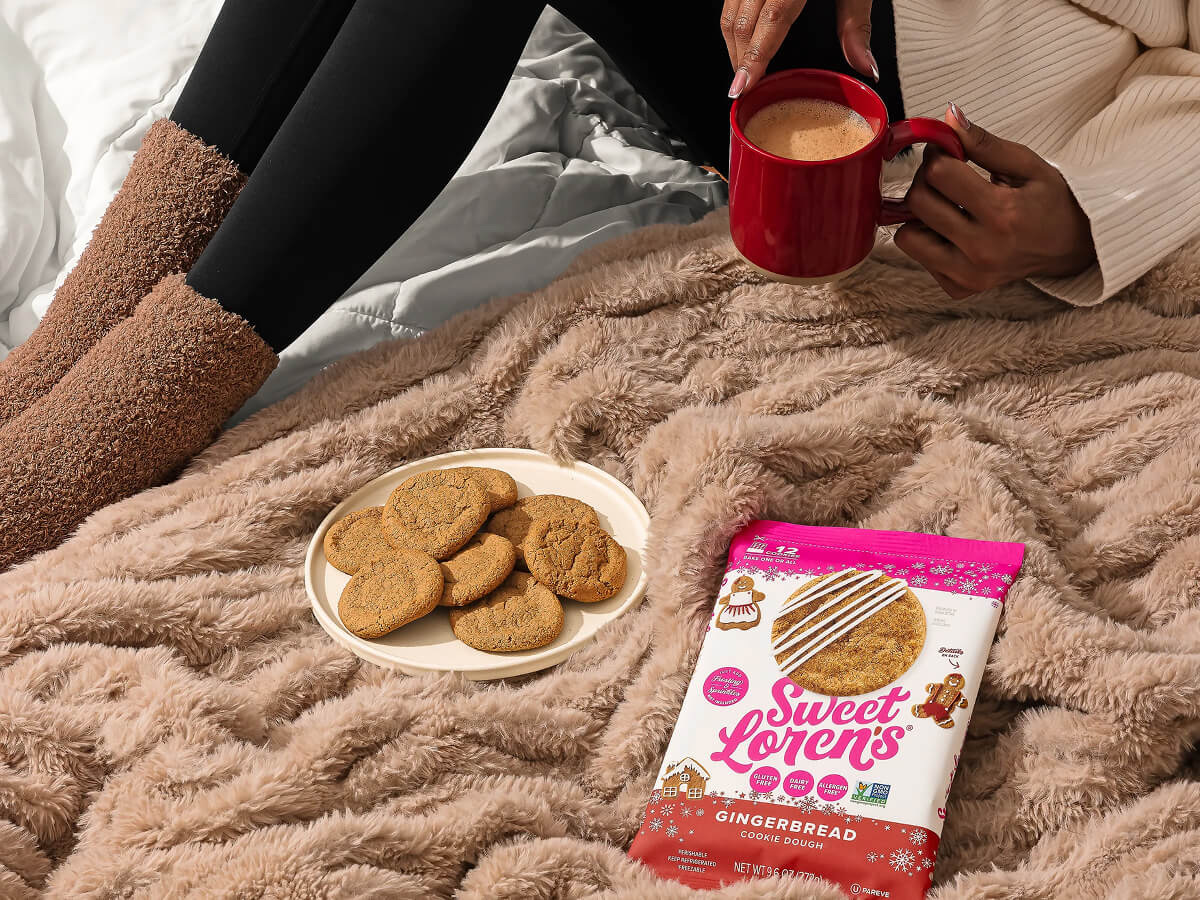
We’ve seen this play out in our work with Sweet Loren’s. As the brand has grown, the challenge hasn’t been awareness. It’s been helping customers understand what makes the product different and why it fits into their lifestyle. The site needed to do more than showcase products. It needed to guide customers through ingredients, use cases, and occasions in a way that felt intuitive, not overwhelming.
That shift, from presenting products to guiding decisions, is where most better-for-you brands have the biggest opportunity.
In practice, it often means rethinking how the site is structured. Navigation that reflects how customers think, not how products are categorized. Product pages that focus on outcomes and use cases, not just features. Experiences that help narrow choices instead of expanding them.
The brands that get this right don’t necessarily say more. They make it easier to understand.
For teams that have already invested in building a better product, this becomes the next layer of differentiation. The question is no longer just what’s inside the package, but how clearly that value comes through once someone interacts with it online.




.jpg)