By clicking “Accept”, you agree to the storing of cookies on your device to enhance site navigation, analyze site usage, and assist in our marketing efforts. View our Privacy Policy for more information.
Barrel's Director of Strategy and Design Director hosted a live optimization session deep diving a brand who submitted their site for review, including a roadmap of fixes to implement before BFCM.
For Many CPG Brands, Your Website Isn't a Store, It's a Digital Flagship
Many CPG brands generate 70 to 90% of revenue in retail. If that describes your brand, your website shouldn’t be competing with the shelf, and treating it like a traditional ecommerce store optimized purely around cart conversion, isn't necessarily the right strategy.
For retail-first brands, the site's job is to be a digital flagship: a hub where customers learn about the brand, discover new products, and get pointed back to the store where they are most likely to complete their purchase.
What Changes When Designing a Digital Flagship
A digital flagship prioritizes different things than a cart-first direct-to-consumer (DTC) site. The store locator, recipe content, and product education often do more for revenue than the checkout flow itself, because their job is to close the loop between an online discovery moment and an in-store purchase.
That means the site's information architecture, its navigation, its content structure, needs to make it easy to answer questions like "where can I buy this" and "how do I use this" just as prominently as "add to cart."
Case Study: Real Good Foods
Real Good Foods had strong retail distribution across Walmart, Costco, Target, Kroger, Publix, and Safeway, but the website had been left behind, still structured like a standalone DTC store despite retail driving the bulk of the business. Barrel led a redesign to turn it into a true digital flagship: product education, a store locator, a dedicated "Where to Buy" page, Instacart integration, and segmented email built specifically to drive loyalty while bring people to retail shelves.
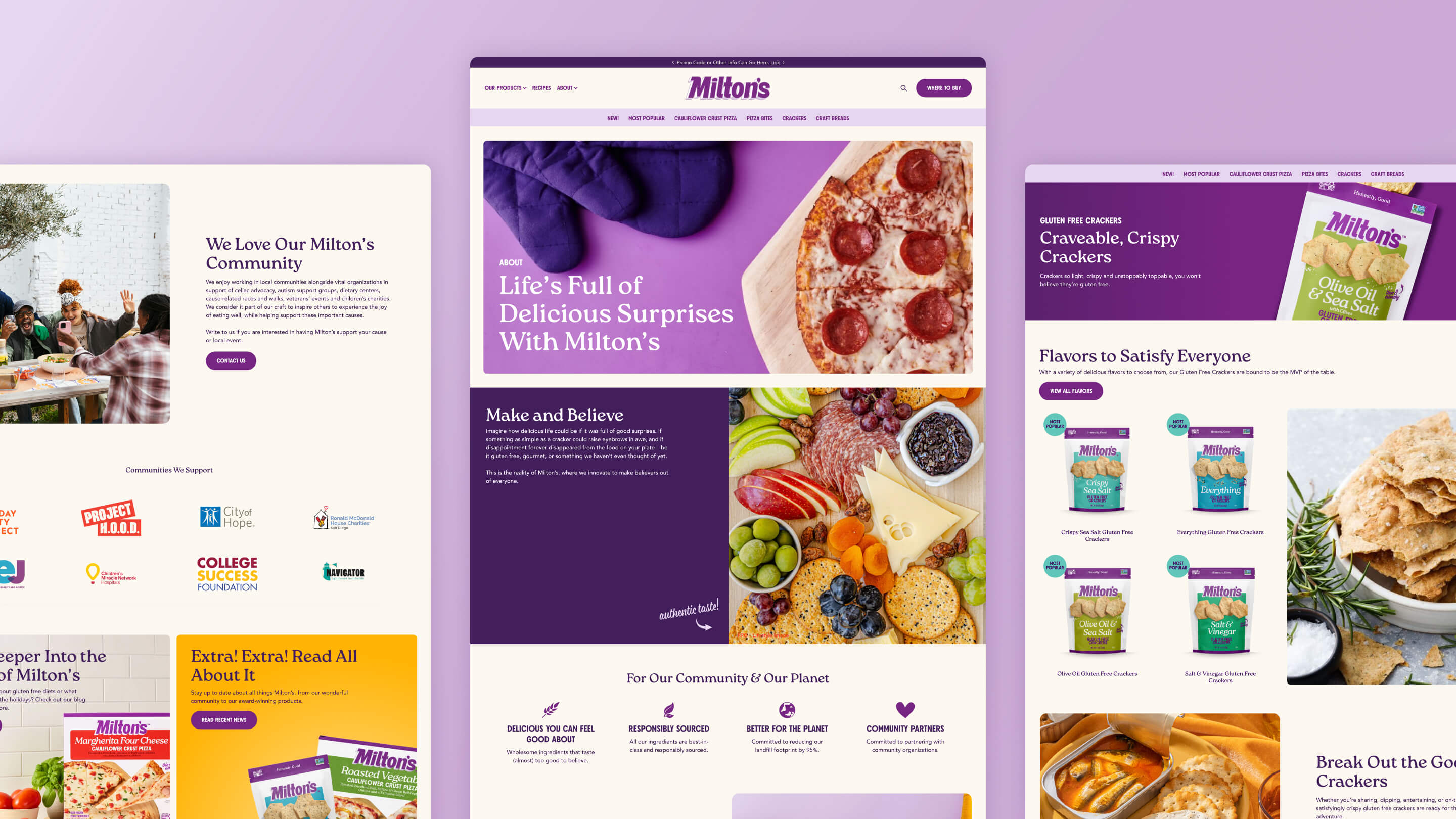
Case Study: Milton's
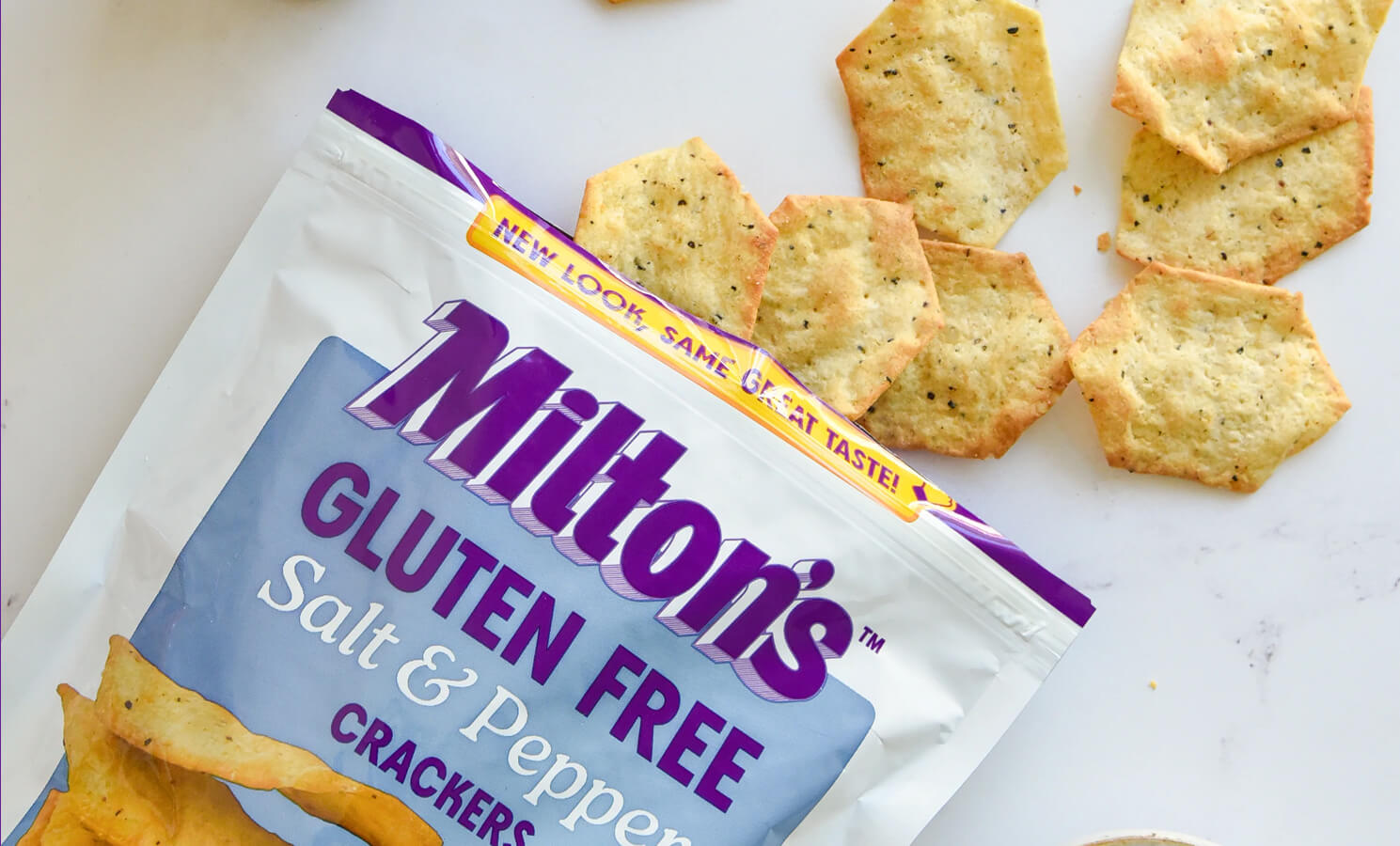
Milton's needed the same shift after migrating from Wix to Shopify. Barrel built an omnichannel hub around store locator functionality, SEO-optimized recipe content, and email templates for customer nurturing. For a brand like Milton's, the Instacart integration and recipe pages matter more to the business than the traditional cart, because their customer base are more likely to buy retail.
Questions Worth Asking About Your Own Site
Does your recipe or usage content exist to drive engagement, or is it an afterthought?
Can a customer find where to buy your product in retail within one or two clicks from your homepage?
Is your email program built foster brand loyalty and nurture people toward a retail purchase?
Build the Flagship, Not Just the Store
Our Shopify Migration Playbook for CPG brands covers how retail-first brands should think differently about site architecture, content priorities, and what actually drives revenue when most of your business happens somewhere other than your own cart.